Stockton weighs up 160-home Yarm Back Lane scheme as Norton affordable housing plan lodged
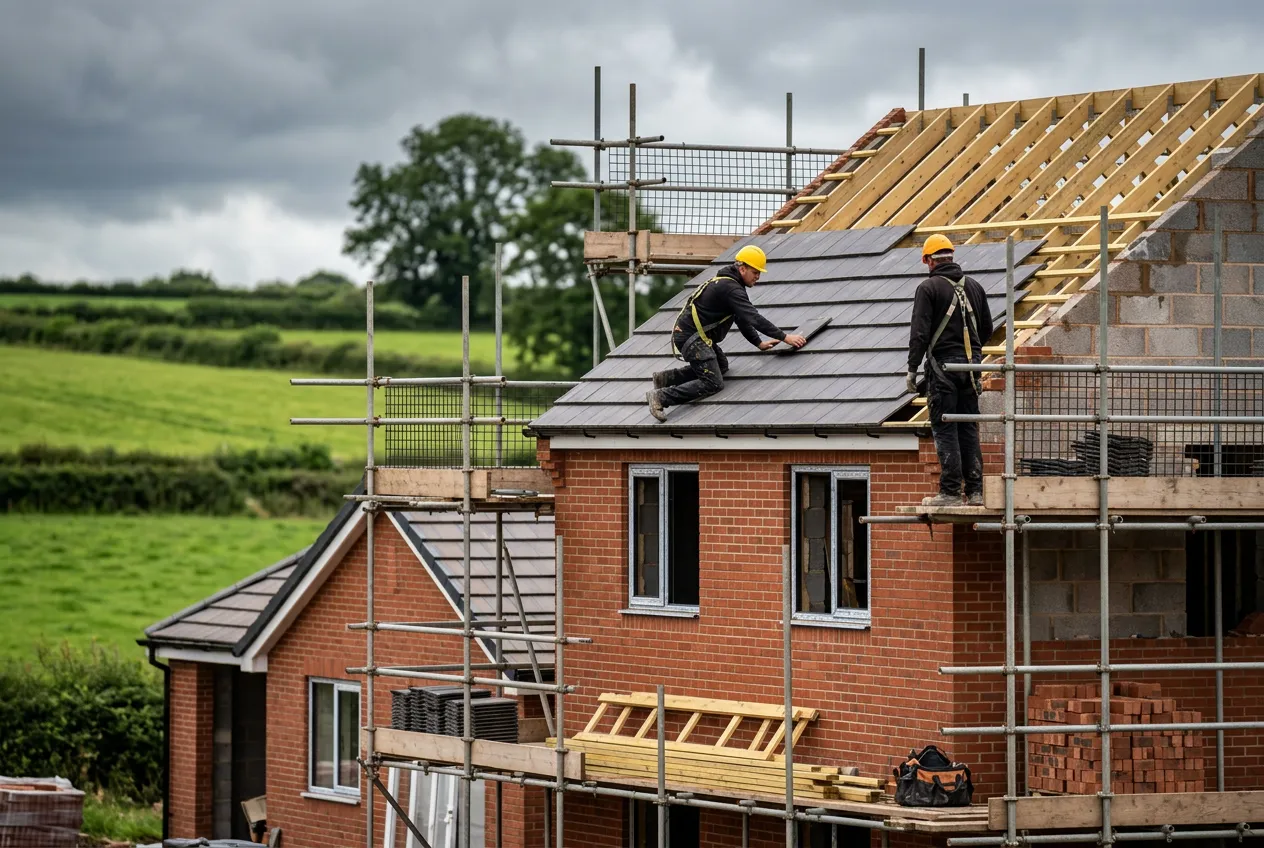
Stockton Council is considering two new housing applications lodged within days of each other, one of them among the larger residential proposals in the borough this year.
MD Bailey Will Trust and TCC Plant have applied for outline planning permission to build up to 160 homes on land north of Darlington Back Lane, off Yarm Back Lane. The developer says the 24-acre site has been agricultural fields since 1856 but that "now is the time to bring the site forward".
Proposals describe tree-lined streets with green corridors and pedestrian and wildlife crossings, plus a community hub containing community buildings and space for goods, services and small businesses, and significant new green infrastructure including cycle routes and footpaths. A planning statement from agent Valley Environmental Consulting notes the 9.71 hectare site is allocated for residential use in the Yarm Back Lane and Harrowgate masterplan.
Affordable homes at Norton
Separately, Manners Ltd and North Star Housing Group have asked the council for permission to build 12 affordable homes on land near Raleigh Road in Norton. The mix is six two-bedroom bungalows, two one-bedroom bungalows and four one-bedroom houses, each with parking and bike storage.
The applicant's agent, ELG Planning, points to a substantial unmet need and a significant shortfall of affordable one-bedroom properties, citing 899 applicants for 191 properties on the 2025-26 waiting lists, and describes one-bedroom affordable homes as the council's number one priority.
The trade angle
Neither scheme has consent yet, and the Yarm Back Lane application is outline only, so detailed design would follow. But together they show where the borough's pipeline is heading: single-storey and smaller-unit housing aimed at older and single-person households, alongside larger allocated greenfield sites.
Bungalow-heavy schemes suit smaller regional contractors. There is more roof area per home, more ground-level external works, and simpler access than flatted development, which tends to favour local building firms, roofers and electrical contractors working on repeat plot types. Sites of 160 homes, by contrast, are usually built out by volume housebuilders over several phases, with subcontract packages let plot by plot.